A thoughtful tasting is less about finding the “right” note and more about noticing what changes from one pour to the next.
Patty Green approaches whiskey with a winemaker’s instinct: pay attention to the ingredient, give it time, and resist forcing every barrel toward the same result. You can bring the same mindset to the glass.
Begin with the setting
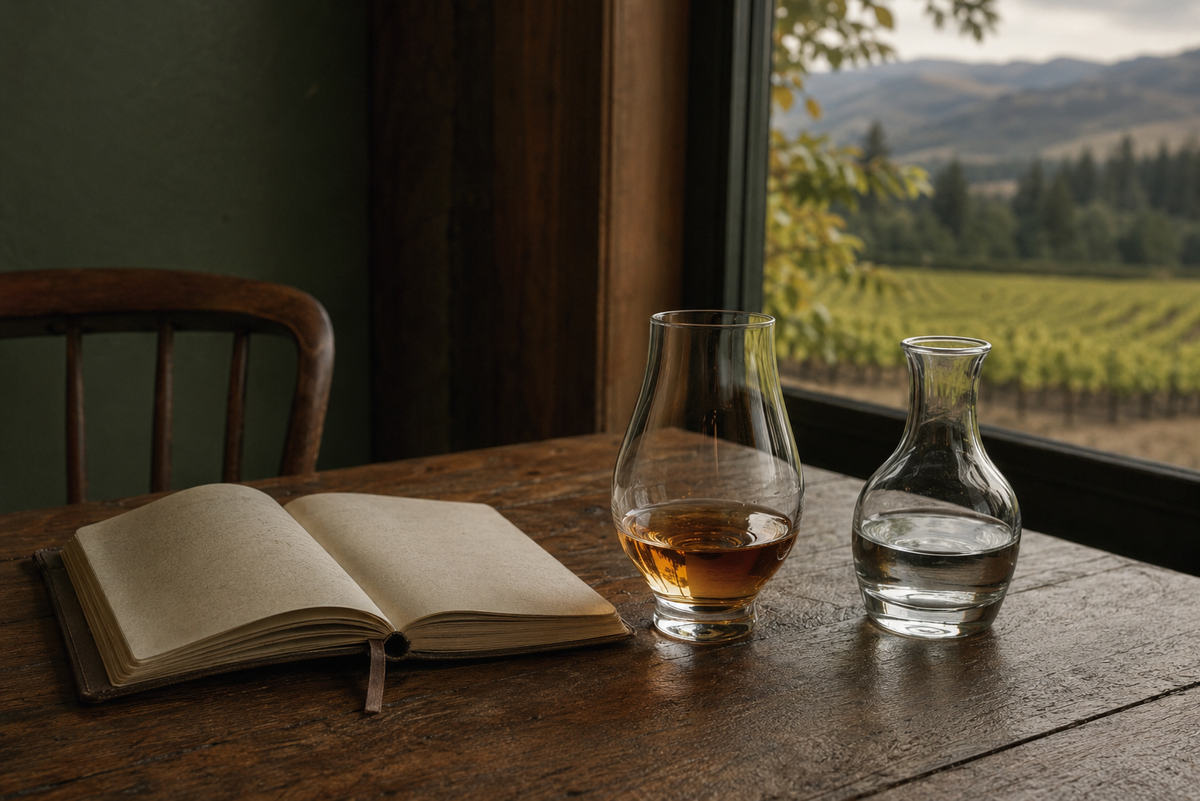
Use a clean glass with enough room above the pour to gather aroma. A tulip-shaped whiskey glass is ideal, but a small wine glass works well too. Pour about an ounce and let it rest for a few minutes.
Keep water nearby. Avoid a heavily scented room, scented candles, perfume, or food that overwhelms the glass. Good light also helps, not because color determines quality, but because it gives you another detail to notice.
Look before you name
Notice the whiskey’s color and how it moves along the glass. Then bring it toward your nose without burying your face in the rim. Short, gentle passes usually reveal more than one deep inhale.
Do not rush to identify a specific fruit or spice. Start with broader families: fresh or dried fruit, sweet grain or toasted grain, baking spice or pepper, floral or earthy, light oak or char. Specific notes often appear after the structure becomes clear.
Taste in three passes
Your first sip is an introduction. Let it coat the palate, then notice the overall weight and the first place the flavor lands.
On the second sip, look for movement. Does sweetness arrive first and give way to spice? Does fruit lift the center of the palate? Does oak build gradually or arrive at the finish?
Use the third sip to pay attention to texture and length. Patty Green releases range from the approachable 85-proof Full Pint to the full-strength Francin and Purple Karma Pinnacle bottlings. Proof matters, but texture often tells you more about how the whiskey was composed.
Add water with intention
A few drops of water can open a high-proof whiskey, soften alcohol on the nose, and reveal aromas that were initially held back. Add it slowly. Taste before and after rather than assuming water always improves the pour.
For cask-strength releases, try the whiskey neat first, then add a small amount of water and return to it after a minute. The comparison is the useful part.
Follow the four threads
When tasting Patty Green, consider four connected elements:
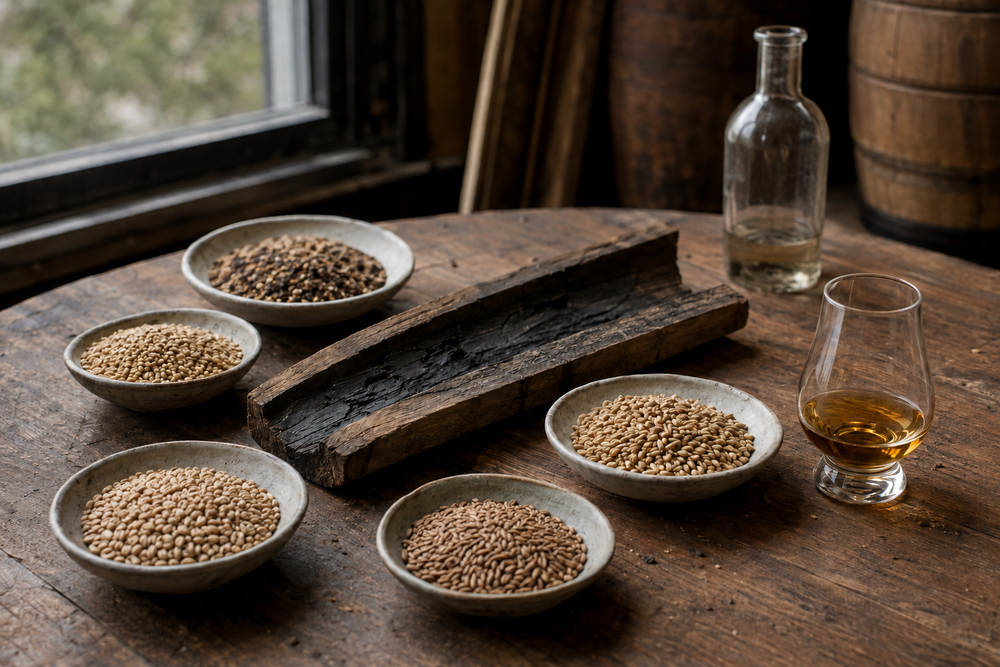
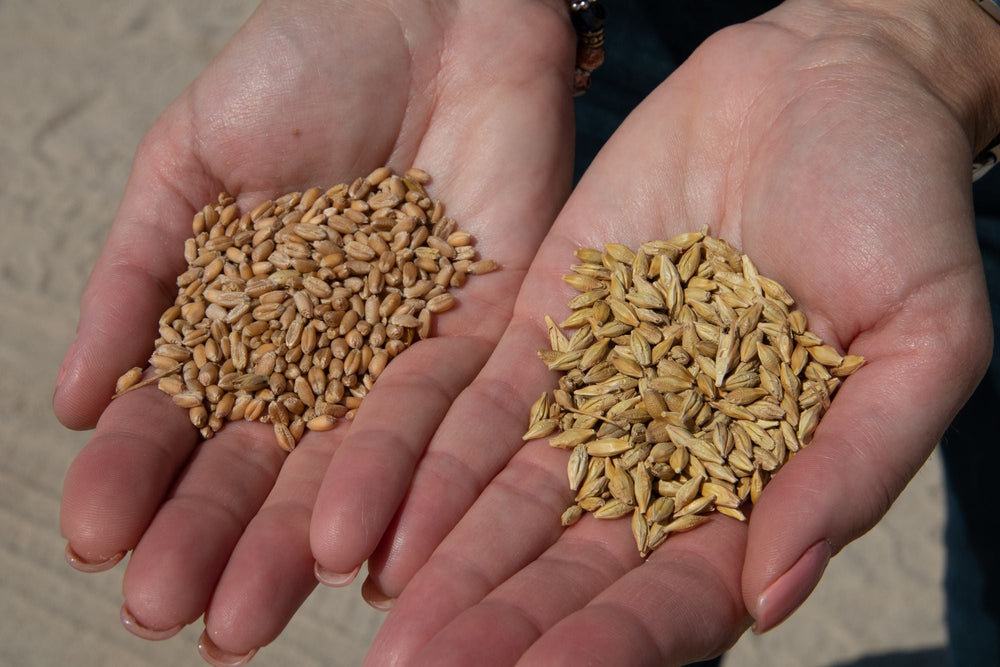
Grain: Barley can move from soft and cocoa-toned to savory and structured. Rye brings a different kind of spice and energy.
Pinot Noir brandy: Present in every current recipe, it can show as fruit, lift, polish, or additional texture rather than an obvious wine flavor.
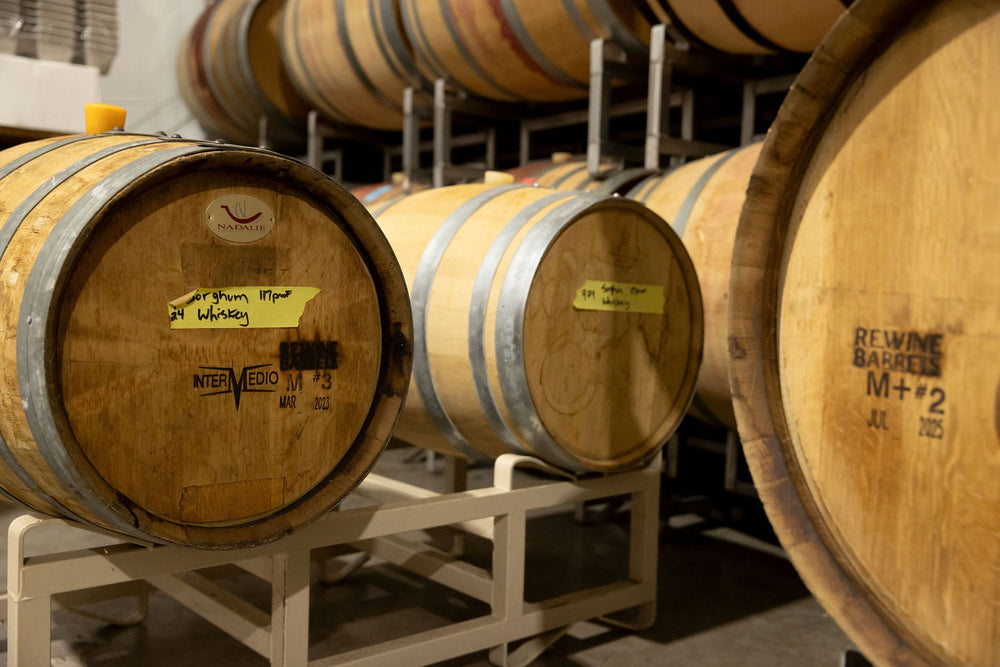
Oak: Renewed French oak wine barrels bring history, spice, and structure. Oregon oak adds another regional voice to select expressions.
Time: Maturation integrates the recipe, but longer is not automatically better. Each release is bottled when its particular grain and barrels feel complete.
Compare, do not score
The most revealing tasting puts two expressions side by side. Try Full Pint beside Francin to compare proof and barley character. Taste Francin beside its cask-strength counterpart to see what changes when dilution is removed. Compare Purple Karma with Gazelle Rye to move from aromatic barley to rye structure.
Write down what you notice in plain language. You do not need a professional vocabulary. “Creamy,” “dry,” “bright,” “slow spice,” or “long and warm” can be more useful than chasing an impressive list of flavors.
The goal is not to solve the whiskey. It is to understand what holds your attention.
Choose two expressions to compare or join us for a tasting in Oregon.