Eight expressions, one point of view, and no interchangeable recipes.
The Patty Green collection begins with a shared idea: grain should lead, not disappear. From there, each whiskey takes its own path through Pinot Noir brandy, renewed French oak, Oregon oak, proof, and time.
This guide is a place to start. It is not a ranking. The right bottle depends on whether you are looking for an approachable first pour, a grain-driven study, the structure of rye, or a rare cask-strength release.
Start with the house style
Every current Patty Green expression combines a named grain or grain blend with Patricia Green Pinot Noir brandy. The brandy is part of the recipe from the beginning, not a finishing treatment. It brings fruit, lift, and texture while allowing the grain to remain recognizable.
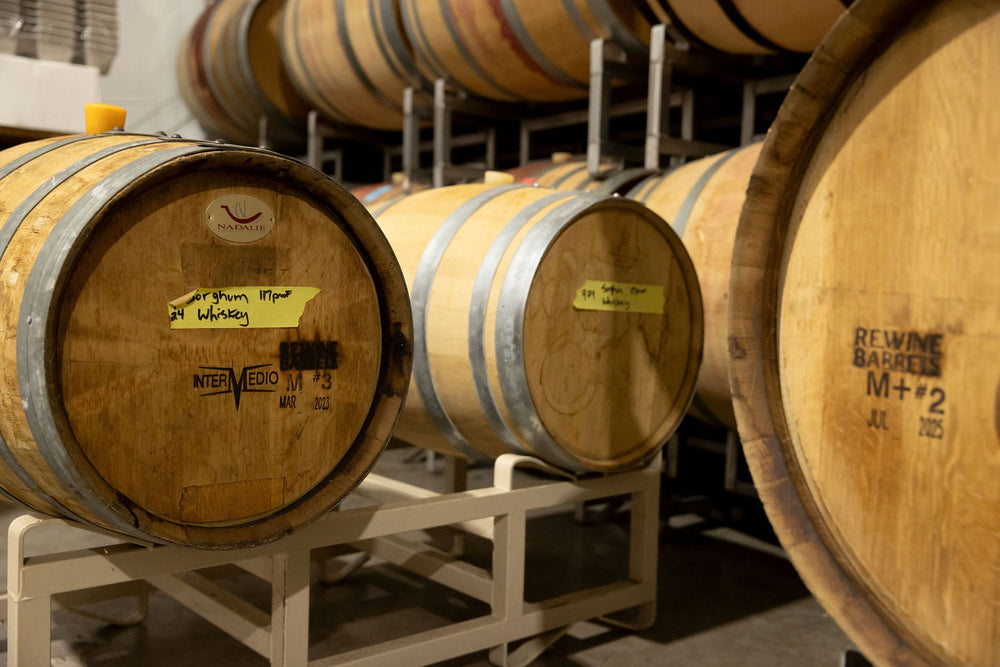
Renewed French oak wine barrels connect the whiskey to Patricia Green Cellars. Select releases also use Oregon oak. The result is a collection that shares a family resemblance without asking every bottle to taste the same.
For an approachable introduction: Full Pint Barley
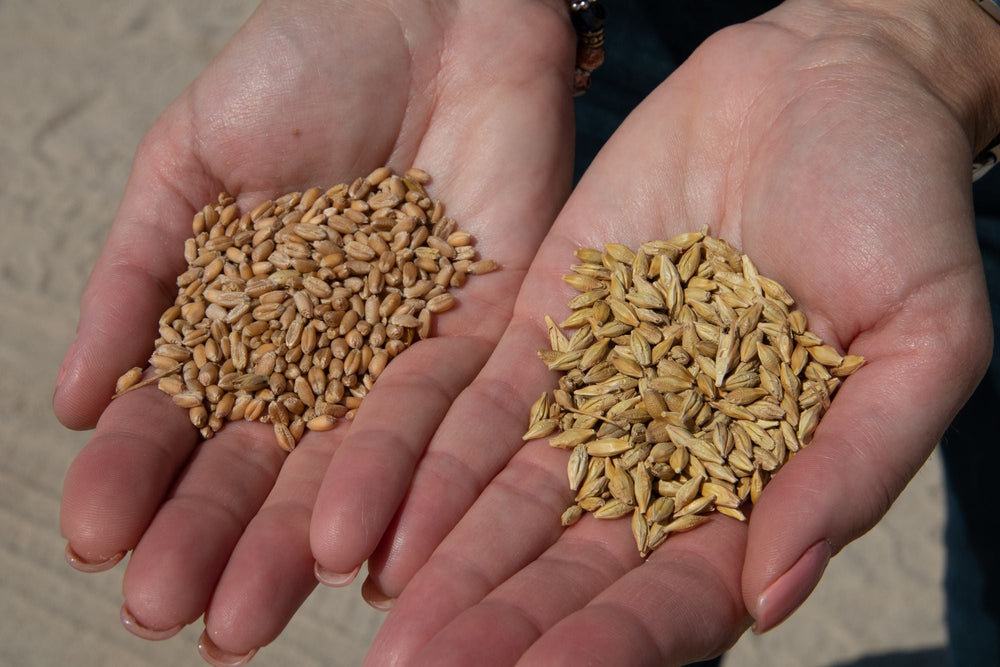
Full Pint Barley Whiskey is the most welcoming place to begin. Oregon State developed Full Pint barley supplies 80 percent of the recipe, with Pinot Noir brandy making up the remaining 20 percent. After 40 months in six renewed French oak wine barrels, it is bottled at 85 proof.
Expect warm spice, dried fruit, cocoa, and a softer landing than the higher-proof releases. It is an easy first bottle, but not a simplified one.
For a closer look at barley
Francin Barley pairs two-row Francin barley with 20 percent Pinot Noir brandy, then spends 30 months in four renewed French oak barrels. At 102 proof, it is rich and textural, with cinnamon sweetness and a long finish.
Lightning Barley moves in a more savory direction. Its 83 percent Lightning barley and 17 percent brandy composition matures for 48 months across renewed French oak and Oregon oak. Roasted walnut, dark chocolate, pear, raisin, cinnamon, and clove meet a creamy 100-proof texture.
Purple Karma Barley is the longest-aged current expression. The 80 percent barley and 20 percent brandy recipe spends 58 months in two renewed French oak barrels and one Oregon oak barrel. At 100 proof, it brings cinnamon, smoked orange, wildflower honey, candied mango, browned butter, and spice cake.
For rye structure: Gazelle Rye
Gazelle Rye is the outlier in the best way. Cold-tolerant Gazelle rye makes up 90 percent of the recipe, with 10 percent Pinot Noir brandy. Three years in one Oregon oak barrel and four renewed French oak barrels build sandalwood, grilled peach, dark honey, ginger, tea, and mandarin around a bold 100-proof frame.
Choose it when you want more spice and structure, but still want the fruit and polish that connect it to the rest of the collection.
For the original idea: Multifarious
Multifarious was the first Patty Green bottling. Lightning, Purple Karma, and Full Pint barley share the grain bill, followed by 20 percent Pinot Noir brandy and more than two years in Oregon and renewed French oak.
At 98 proof, it reads like a statement of intent: layered grain, dried fruit, earthy spice, molasses, tea, and ginger snap in one bottle.
For the rarest pours
Francin Barley Cask Strength concentrates the Francin recipe into a single renewed French oak barrel and bottles it at its full 118 proof. Only 21 cases were produced.
Purple Karma Pinnacle comes from a small center-hearts cut, matured in renewed French oak and bottled at 112 proof. The 19-case release offers fruit, tobacco, spice, barrel sweetness, and a liquid-silk texture.
Both are tasting-room-level discoveries: small, expressive, and shaped by the decision to let a compelling barrel speak at full strength.
Choose by curiosity, not hierarchy
There is no single flagship that explains Patty Green on its own. Start with the grain or proof that interests you, then compare what changes when the recipe, oak, and time change around it.
Explore the complete whiskey collection or plan a tasting in Oregon wine country.